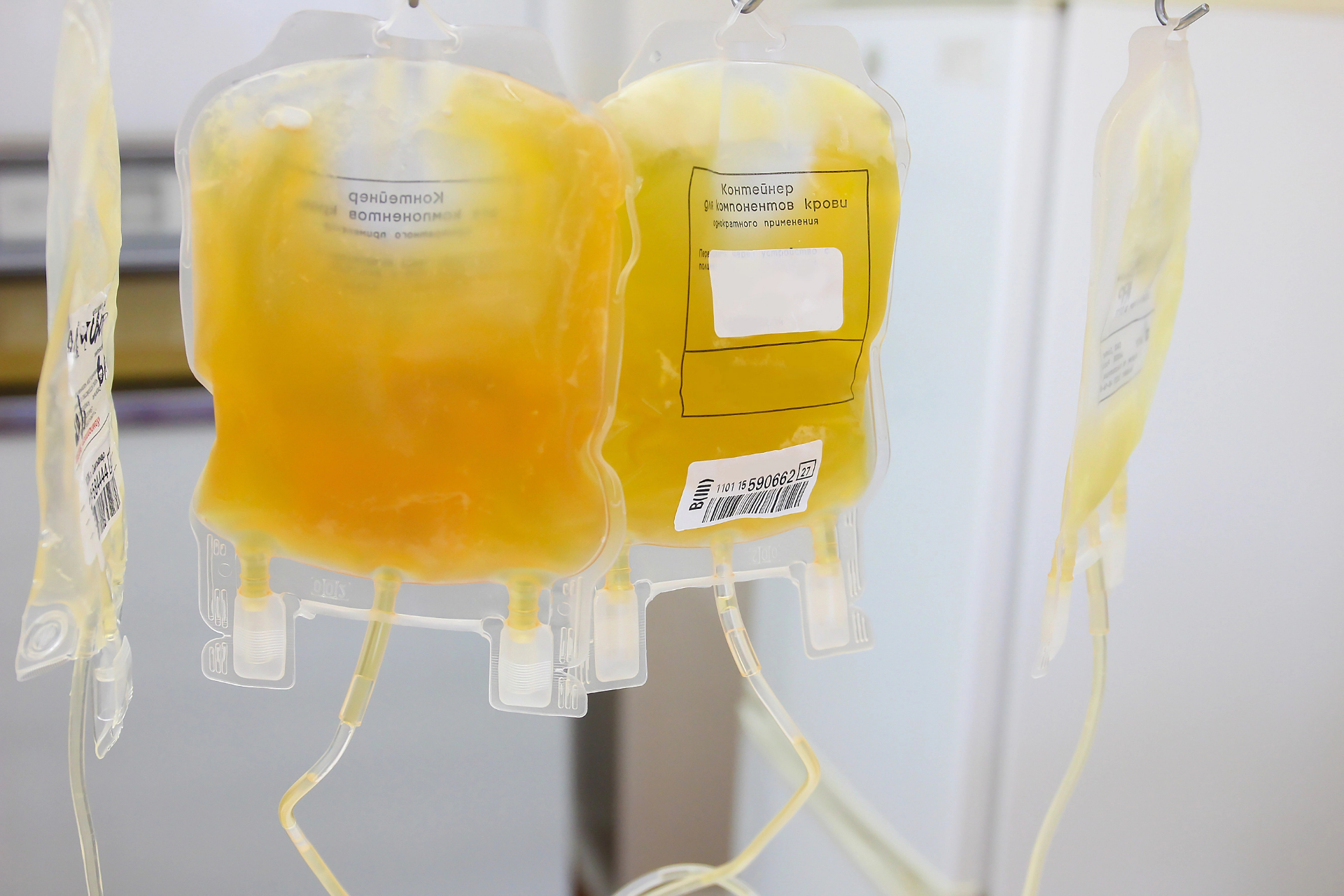
Platelet concentrate studies
9–12 mL aliquots and 20 to 25 mL aliquots. Enable varied storage parameters an in vitro analysis.
Blood Bags LLC builds various research-grade storage containers that let transfusion scientists study about 10 mL or 25 mL platelet and blood samples with the same in-vitro quality measures as a full unit — at a fraction of the volume, cost, and donor burden.
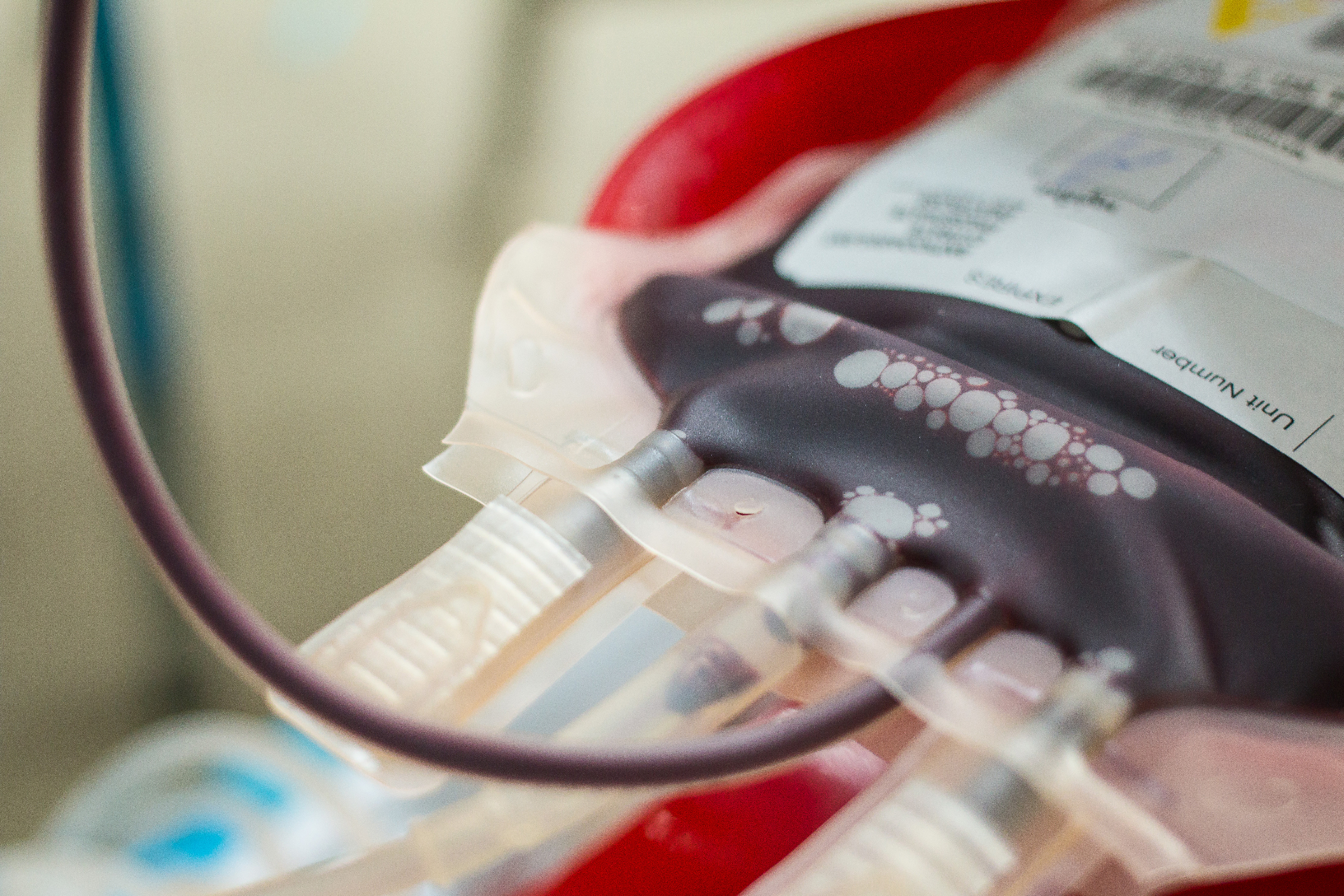
Run replicate platelet experiments from a single donor unit — multiply your data points without multiplying donors.
Platelets stored in the Mini-Bag track in-vitro quality measures of the source concentrate across 7-day storage.
Non-invasive pH trends help identify poor-storing or bacterially contaminated units before they're released.
Conventional storage bags are sized for clinical transfusion, not experimentation. Our Mini-Bag was designed alongside blood centers to give researchers a sealed, sterile environment that behaves like a full unit — so the data you publish translates.
9–12 mL aliquots and 20 to 25 mL aliquots. Enable varied storage parameters an in vitro analysis.
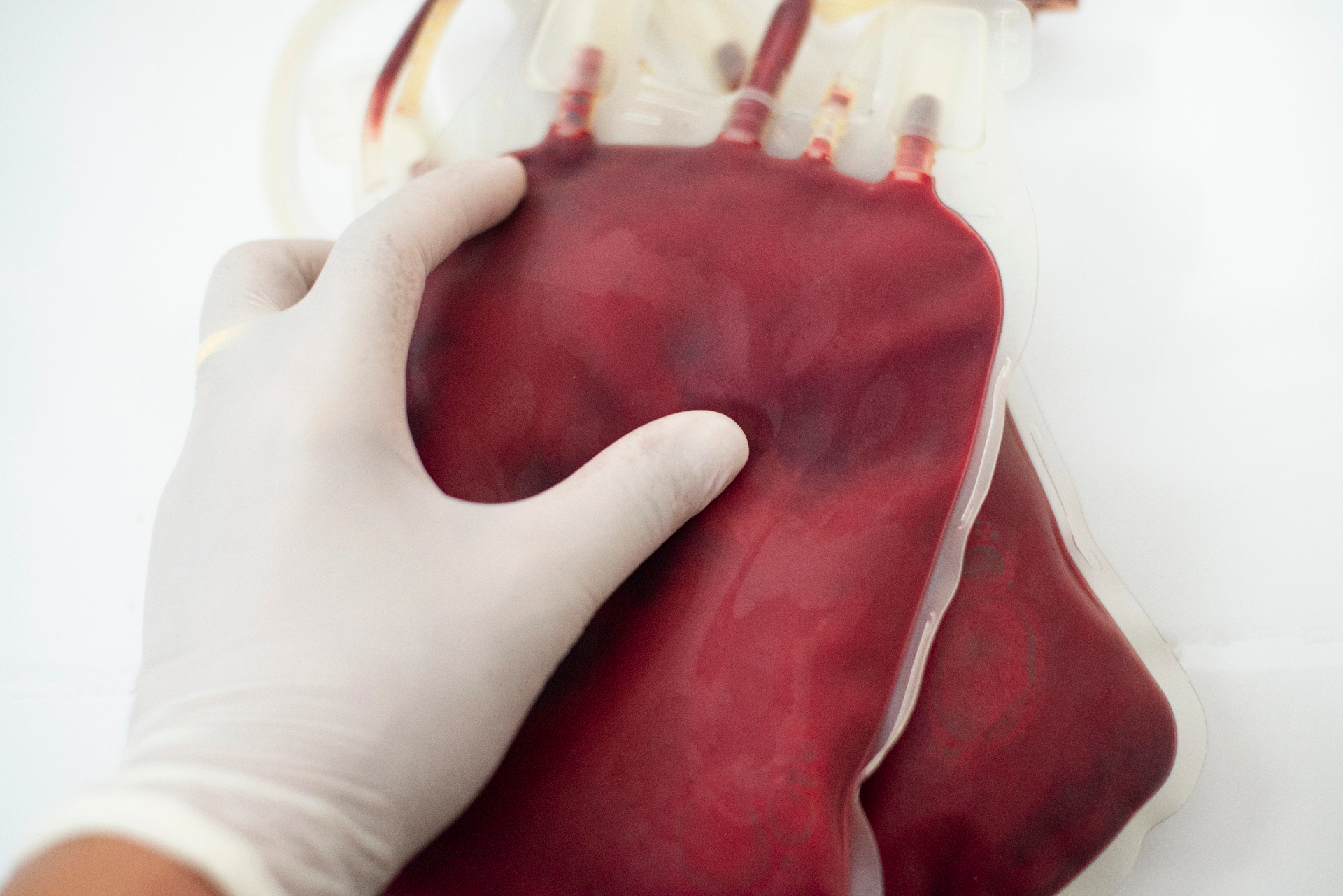
Sterile sampling without compromising the parent unit.
Compare additive solutions in replicate.
We work directly with research labs and blood centers. Tell us about your protocol and we'll recommend a configuration and quantity.